
Weight loss with medication: what we know today about side effects, fat loss, muscle mass, and the “rebound effect”
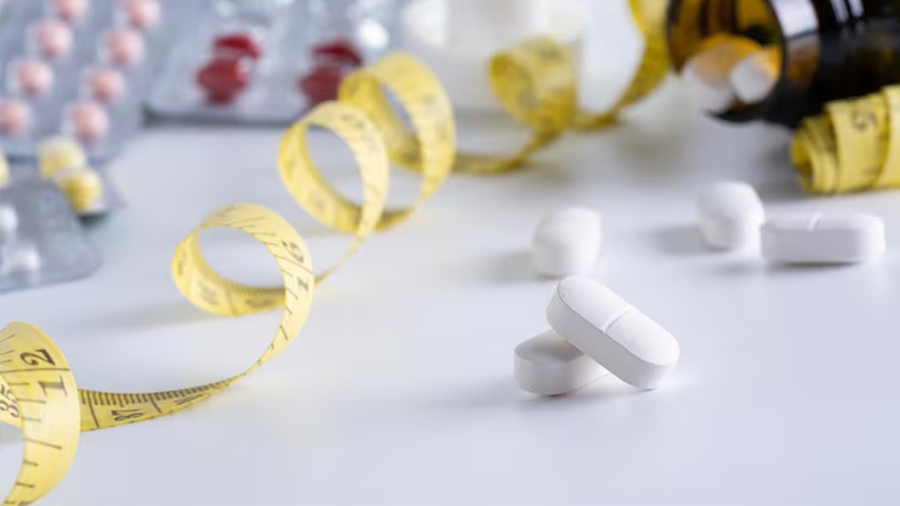
In recent years, GLP-1 agonists (such as semaglutide or tirzepatide) have transformed the treatment of obesity. They are highly effective and generally safe, but as with any medical therapy, it is essential to understand both the benefits and the risks to use them responsibly.
At Clinica SAMOn we follow a comprehensive medical approach so that weight loss is safe, sustainable, and health-centered, not just focused on the scale. Below you will find a clear, science-based explanation.
- Side effects: mostly digestive and usually temporary
GLP-1 medications work by regulating appetite and slowing gastric emptying. For that reason, the most common side effects are:
- Nausea
- Early satiety
- Heartburn or slow digestion
- Vomiting or diarrhea
These symptoms usually appear in the first weeks or when the dose is increased, and in most cases they are mild and temporary. With gradual dose escalation, good hydration, and some dietary adjustments, tolerance improves significantly.
Less frequent side effects include:
- Gallstones (especially with rapid weight loss)
- Pancreatitis (rare, but requires urgent attention if severe abdominal pain appears)
- Risks during anesthesia because the stomach empties more slowly
The risk of hypoglycemia is very low unless GLP-1 drugs are combined with insulin or sulfonylureas.
2. What kind of weight is really lost? Mostly fat, but also some muscle
This point often surprises patients.
Studies show that with GLP-1 treatment:
- Most of the weight lost is body fat.
- However, around 20-40% of the total weight lost may be lean mass (muscle and intracellular water).
Losing muscle is not desirable: it increases fatigue, reduces mobility, slows metabolism, and makes weight regain more likely.
Because of this, at Clinica SAMOn we:
- Use bioimpedance analysis before, during, and after treatment.
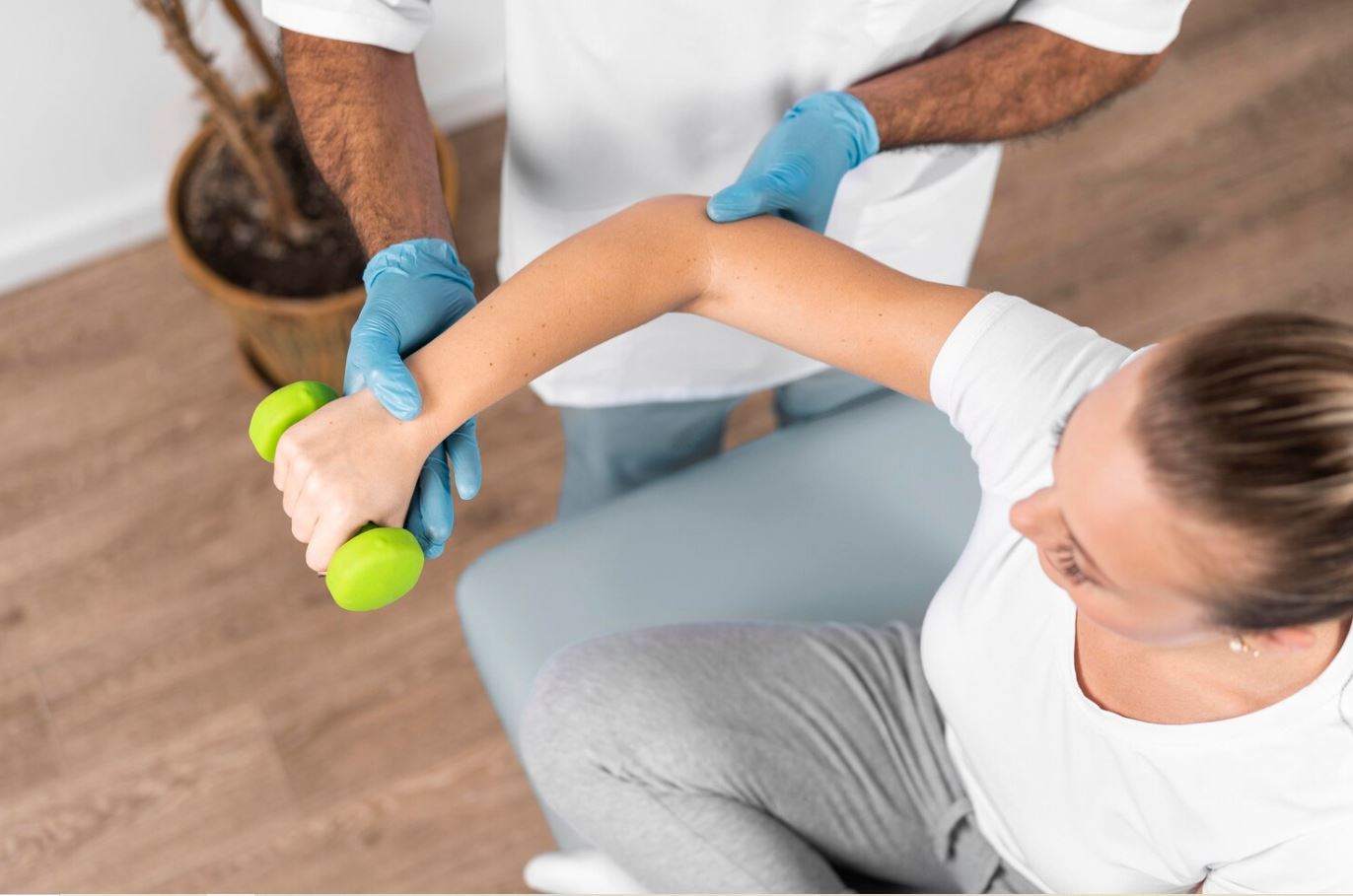
- Support the process with strength training supervised by a physiotherapist.
- Recommend adequate protein intake through diet and, when appropriate, supplementation.
- Review body composition regularly, not just scale weight.
Our goal is not simply to see weight going down, but to ensure that fat decreases while muscle mass is preserved or improved.
3. Effects on bone: bone density can decrease without exercise
Rapid weight loss can reduce bone mineral density. This is not mainly because of the medication, but rather due to:
- Less mechanical load on the skeleton
- Loss of muscle mass, which normally stimulates bone
- Hormonal changes related to weight reduction
Without exercise, especially without strength training, several studies have shown a decrease in bone density during intensive weight-loss programs.
The good news is that strength training, weight-bearing exercise, and controlled impact protect bone and counteract these effects. For this reason we integrate rehabilitation and tailored exercise in our medical weight-loss programs.
4. The rebound effect: why it happens and how to prevent it
Patients often ask: “Will I regain the weight when I stop the medication?”
The honest answer is: it is possible, but it is not inevitable.
Studies show that after stopping GLP-1 treatment:
- Many patients regain part of the lost weight, typically 50-70% within the first year.
- This happens because appetite regulation returns to its previous baseline and the body tends to go back to its earlier “set point.”
However, the rebound effect is much lower when patients maintain:
- Regular strength training and physical activity
- A balanced, sustainable eating pattern
- Healthier long-term habits and routines
- Medical follow-up and support after the intensive phase
In other words, GLP-1 medications are a tool that helps create change, but long-term success depends on the habits that are built during treatment.
5. Summary
- GLP-1 medications are effective and generally safe when used under medical supervision.
- They promote significant fat loss, but can also reduce muscle mass if patients do not exercise or eat enough protein.
- Rapid weight loss can reduce bone density if there is no strength and impact exercise.
- Rebound weight gain after treatment is common, but not inevitable. It depends largely on lifestyle and follow-up.
Clinica SAMOn approach
At Clinica SAMOn we offer a structured and medically supervised weight-loss program that includes:
- Full medical and cardiovascular evaluation
- Responsible GLP-1 prescription when indicated
- Bioimpedance and body composition monitoring
- Supervised physiotherapy and strength training
- Nutritional education focused on real-life habits
- Cardiovascular risk factor control
- A long-term maintenance plan to reduce rebound risk
Our aim is not only to help you lose weight, but to improve your health, strength, and overall well-being in a sustainable way.